Polygraph credibility assessments are rooted in psychophysiology and science related to the Orienting Response (OR).
-
What it measures:
The instrument does not detect generic “stress” or “anxiety.” Instead, it records specific autonomic responses—such as shifts in blood pressure, respiration, and skin conductivity—triggered by the cognitive significance, intensity, and novelty of a structured question.
-
Objective vs. Subjective:
Conventional polygraph testing often relies on the subjective visual analysis of charts, which is vulnerable to human error. By contrast, modern instrumentation captures these physiological changes as objective data points.
-
The Result:
By subjecting these recognized scientific measures to structured statistical analysis, we bypass the flaws of subjective scoring, drastically increasing diagnostic accuracy and ensuring that all results are completely reproducible.
How Polygraph Testing Works
A standard polygraph examination consists of three distinct phases:
- Phase 1: The Pre-Test Interview. The examiner constructs the test questions and reviews them thoroughly with the examinee to ensure complete understanding.
- Phase 2: In-Test Data Collection. During the active testing phase, the examiner administers a structured sequence of relevant and comparison questions. Concurrently, advanced diagnostic sensors continuously record the examinee’s autonomic physiological responses. These physiological shifts are driven by the examinee’s status as truthful or deceptive, combined with the underlying cognitive significance, emotional intensity, and novelty of the specific questions presented.
- Phase 3: Post-Test Data Analysis. The examiner evaluates the physiological tracings to ensure data quality and exclude physical artifacts. The data is then subjected to objective statistical analyses to determine if a conclusion of truthful or deceptive is scientifically supported.
Throughout this process, only a small number of polygraph systems utilize state-of-the-art instrumentation and computerized algorithms to maximize diagnostic accuracy and reliability.
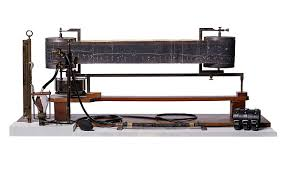
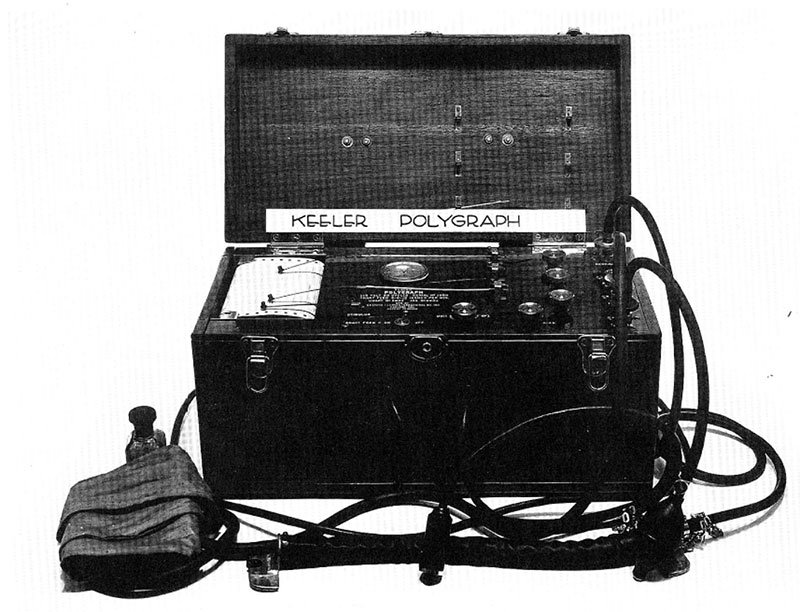
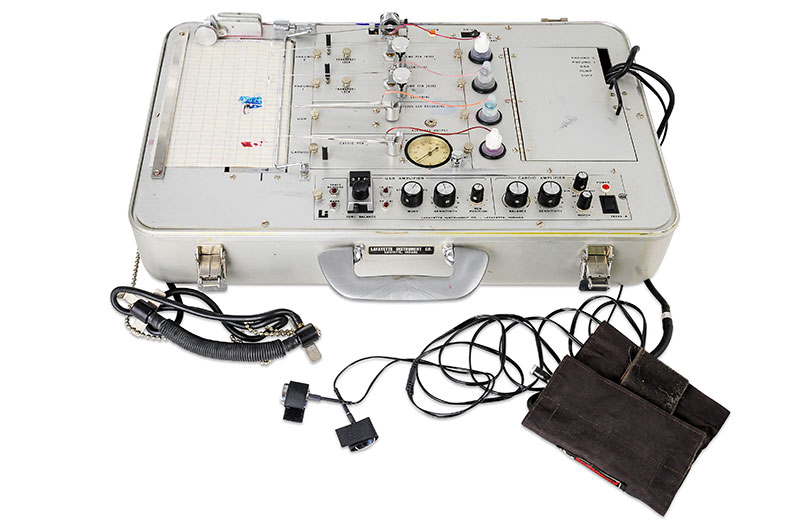
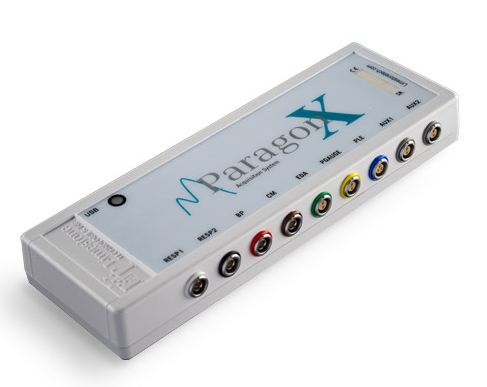
Applications and Limitations
For over a century, polygraph instrumentation has served as a vital tool in criminal investigations, employment screening, and security clearance adjudications. Across these diverse settings, credibility assessments are utilized to verify statements, resolve disputes, exonerate the truthful, and accurately identify deception. When subjected to a rigorous examination, a subject’s ability to successfully conceal criminality or significant behavioral transgressions is nearly impossible. However, conventional polygraph methods that rely on the subjective visual interpretation of charts remain vulnerable to manipulation and human error. To address this, the dual-paradigm protocol developed by Dr. Palmatier utilizes standardized methodologies and the algorithmic analysis of objective psychophysiological measures. Grounded in peer-reviewed research, this approach drastically mitigates error and ensures results are highly reproducible. While polygraph testing is traditionally viewed as an investigative aid, the strict scientific and statistical rigor of this protocol satisfies the Daubert standard, paving the way for its eventual admissibility in courts of law.